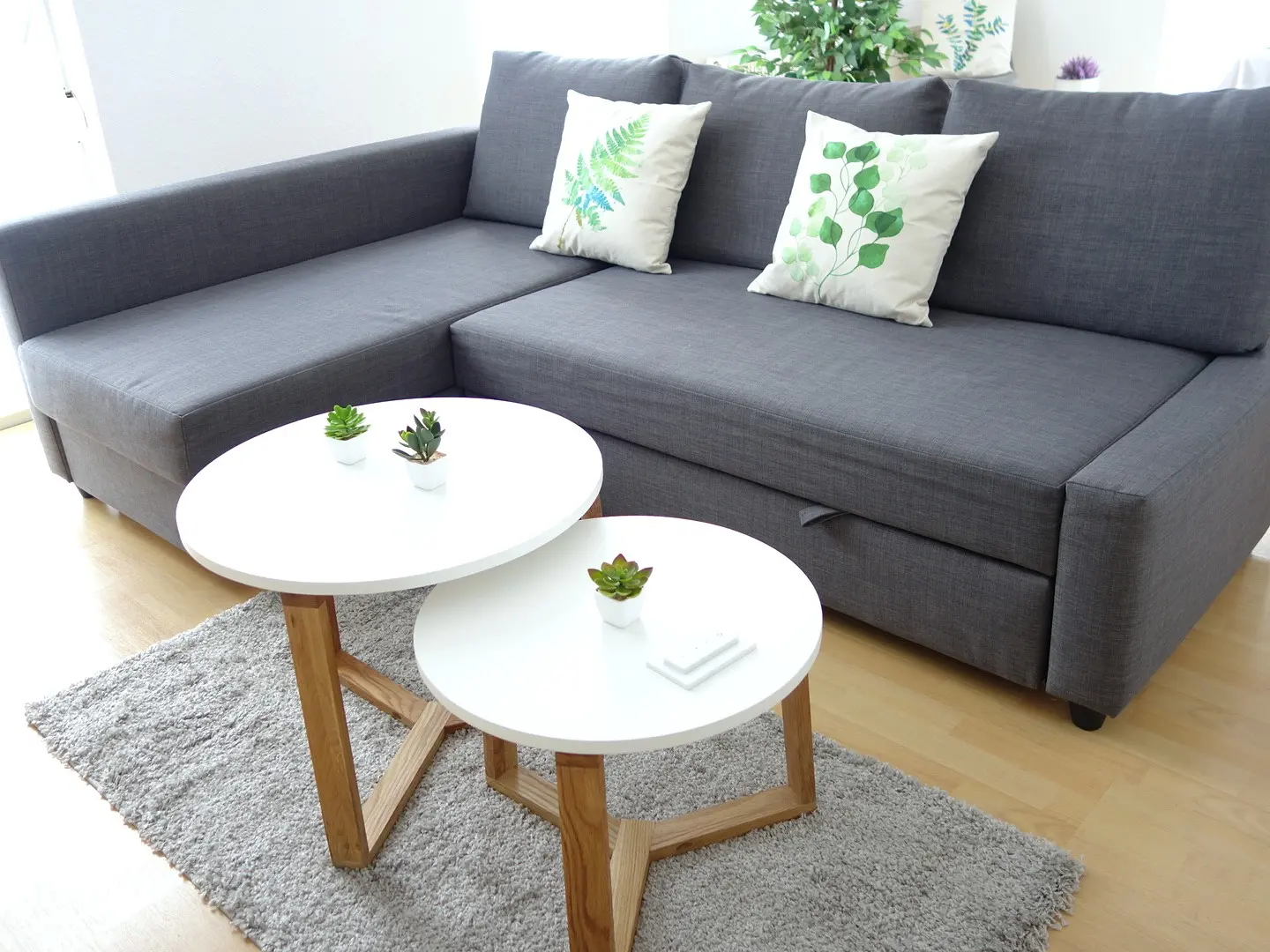
Running an Airbnb in Germany: From Zero to a Stable Rental Business
I didn’t originally plan to run an Airbnb in Germany — it happened somewhat by accident.
At the time, I had a full-time job in Germany, and there happened to be an extra room in my apartment. My initial thought was simple: maybe short-term rentals could help ease the monthly mortgage a little.
But things turned out very differently from what I expected.
Over the past five years, I’ve consistently maintained Superhost status. As of writing this article, I’ve received 217 guest reviews with an overall rating of 4.84 out of 5. More importantly, the steady cash flow from hosting has significantly reduced my financial pressure — in a way, it feels like I’ve paid for my home (and even more).
I believe many people have had similar thoughts:
“Maybe I could make some extra income with Airbnb.”
The difference is that I decided to take action.
From planning the space and interior design, to navigating Germany’s complex tax system (which I highly recommend consulting a tax advisor for — I may write about this in a future post), to pricing strategy and market research — everything was learned through experience.
Why I’m Writing This Series
In this series, I want to share what I’ve learned over the past five years.
These are not universal rules, and my approach may not work for everyone. But I hope this content can help:
- People considering running an Airbnb in Germany
- Especially foreigners navigating the system
- Avoid some common mistakes and pitfalls
And perhaps learn the things I wish I had known earlier.
My Airbnb Framework (Overview)
Over time, I’ve structured my Airbnb operations into several key areas:
1️⃣ Property Preparation
How I plan and prepare a listing, including:
- House rules
- Interior design decisions
- Creating a space that fits market expectations
2️⃣ Listing & Pricing
This includes:
- How I take appealing photos without hiring professionals
- Market research
- Using Airbnb’s pricing suggestions effectively
3️⃣ Guest Communication
I’ll cover:
- How I respond quickly and efficiently
- The “art” of communication
- Managing communication across time zones and languages
4️⃣ Daily Operations & Optimization
This part focuses on:
- Building standardized workflows (SOPs)
- Automation tools
- Managing multiple listings efficiently
5️⃣ Mistakes & Lessons Learned
Finally, I’ll share:
- Mistakes I’ve made
- What I would do differently
- Things I wish I had known earlier
👉 I’ll dive deeper into each of these topics in future posts.
Final Thoughts
For me, Airbnb is not a passive income stream.
It’s an active system that requires ongoing management and optimization.
But once it’s set up properly, it can become a stable source of income — one that gives you more freedom to pursue other projects.
If you’re considering starting an Airbnb in Germany, I hope this series will be helpful.
👉 Check out my Airbnb listing here →My listing 1
 and
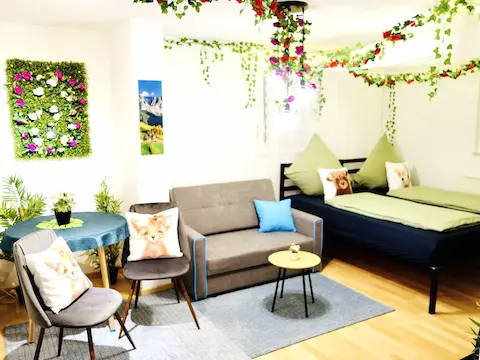
👉 here → My listing 2
and
👉 here → My listing 2
About the Author
Niki Li is a Taiwanese expat living in Germany, an Airbnb host with over five years of experience, and co-founder of the indie game studio Watershadow Games. For more Airbnb hosting insights and game development stories, stay tuned to this site.